 Comparison
Kinetico vs EcoWater: Which Water Softener Fits Your Home
Table of Contents
- Kinetico vs EcoWater at a Glance
- How Each System Works: Operation and Design
- Water Softener Regeneration: Timing, Frequency, and Salt Use
- Water Softener Comparison: Pros, Cons, and Cost of Ownership
- Water Softener Maintenance and Service Over Time
- Test Your Water Before Choosing Between Kinetico and EcoWater
- Booking Your Free Water Test and Consultation
- Frequently Asked Questions
Last Updated: November 14, 2026
Kinetico vs EcoWater at a Glance
When homeowners research a kinetico vs ecowater comparison, they find two of the best-known names in residential water softening, and both sell systems that remove hardness minerals from water using ion exchange. You can compare Kinetico and Lifetime Water Systems side by side if you are weighing other brands as well. The real differences lie in how each system is controlled, how it regenerates, and how it is serviced over the years.
Kinetico's defining feature is its non-electric operation. Its regeneration is driven by the kinetic energy of moving water rather than a plug-in control board. EcoWater, by contrast, relies on electronic controls and, in some models, smart features such as salt-level monitoring and remote alerts. Neither approach is automatically better. It depends on whether you prefer a simple mechanical system or a feature-rich digital one.
Here is a quick side-by-side view:
| Factor | Kinetico | EcoWater |
|---|---|---|
| Power requirement | Non-electric, water-powered | Electronic controls, needs an outlet |
| Control method | Mechanical, water-driven | Digital, with smart features on some models |
| Regeneration | Demand-based, water-driven | Demand-based, electronically managed |
| Water supply | Continuous soft water on dual-tank designs | Continuous soft water on dual-tank designs |
| Typical installed price (CAD) | Roughly $4,700 to $5,400 in recent consumer quotes | Roughly $2,449 to $6,700, depending on configuration |
Pricing varies with home size, water hardness, plumbing layout, and the features you choose. For current prices or a quote for your home, contact Pure Life H2O directly.
How Each System Works: Operation and Design
Every water softener works on the same basic principle. Resin beads inside a tank hold onto calcium and magnesium ions, and they release sodium or potassium ions in exchange. Over time the resin fills up with hardness minerals and must be cleaned, a process called regeneration. The difference between Kinetico and EcoWater lies in how that cleaning cycle is triggered and carried out.
Kinetico's regeneration cycle is driven by the flow of water rather than a plug-in control board. EcoWater uses an electronic control valve that measures water use and starts regeneration when the resin needs it. Both approaches are demand-initiated, which means the system regenerates based on how much water your home uses rather than on a fixed schedule.
Twin-Tank and Single-Tank Configurations
Both brands offer twin-tank designs, and this matters more than most buyers expect. In a twin-tank system, one tank softens water while the other regenerates. Your home keeps receiving soft water during the cleaning cycle, which is useful for larger households or homes that use water at unpredictable times.
Single-tank systems are generally more compact. They are a practical choice for smaller homes, but the water supply pauses briefly during regeneration. Ask any installer which configuration they recommend for your household size and peak usage, and ask them to explain why. You can also explore the water softener options and services offered to see which configurations are available.
Water Softener Regeneration: Timing, Frequency, and Salt Use
Regeneration is where the two brands diverge most in daily operation, and it is also where most comparisons get vague. Rather than repeat that both are demand-initiated, it helps to understand what actually triggers a cycle and how to compare salt and water use on equal terms.
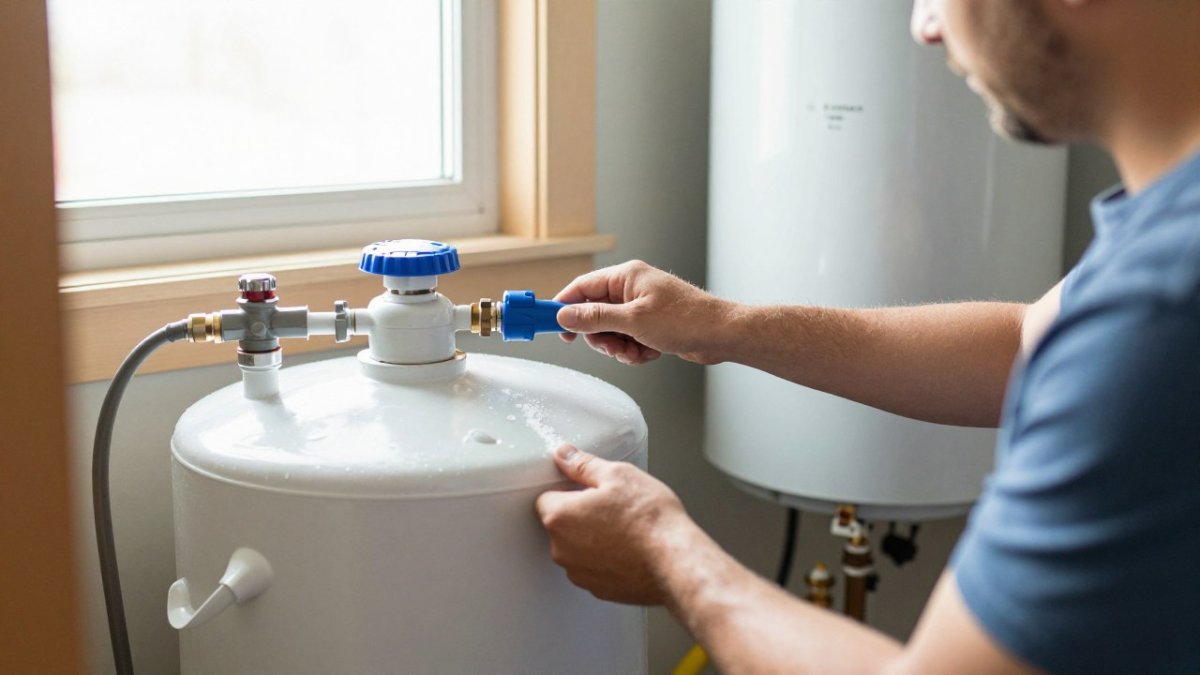
On a Kinetico system, the water-powered turbine counts the volume passing through the meter, and regeneration is initiated by that measured flow. There is no timer and no electrical control board, so the cycle is tied directly to water use. On an EcoWater system, an electronic valve measures demand and schedules regeneration, and on models with smart controls it can factor in past usage patterns and adjust the schedule accordingly. Both are demand-initiated, but the EcoWater approach allows more programmable control, while the Kinetico approach removes the electronics from the equation entirely.
How to Compare Salt and Water Use Fairly
Salt and water consumption figures are only meaningful when compared under the same assumptions. Comparing those figures on equal terms also helps clarify whether a whole house water softener makes sense for your household’s actual water use and needs.
A practical approach is to request the rated salt dose per regeneration and the capacity per regeneration for each model, then calculate salt use per thousand grains of hardness removed. That single number lets you compare a Kinetico and an EcoWater model on the same footing, regardless of tank size or marketing language.
Watch out: efficiency claims that quote salt savings without stating the hardness and household demand they assume are not comparable, and a system sized too small for your home will regenerate more often no matter how efficient its valve is.
Regeneration Timing and Daily Soft Water Supply
Regeneration timing affects whether soft water is available at all times. On a single-tank system, water is bypassed or hardness leaks through during the cycle, which typically lasts under two hours. On a twin-tank system, one tank serves the home while the other regenerates, so soft water continues without interruption. Both brands offer twin-tank configurations, and for larger households or homes with high simultaneous demand, that continuity is often worth more than a small efficiency difference.
Salt Checks and Brine Tank Care
Regardless of brand, salt level and brine tank condition drive performance. Check the salt monthly, break up any crust or bridging, and have the brine tank cleaned periodically. Low salt or a bridged tank means the resin cannot recharge, and hard water reaches your fixtures even though the system appears to be running. Homes with high water use may need more frequent checks than the monthly baseline.
Water Softener Comparison: Pros, Cons, and Cost of Ownership
The purchase price is only the first line in the ledger. A softener's real cost includes installation, salt, water used during regeneration, service, and any repairs over its service life. Comparing brands on sticker price alone is how homeowners end up paying more over ten years for a system that looked cheaper on day one.
Design Trade-offs at a Glance
Kinetico strengths:
- Non-electric, water-powered operation with no control board or timer to fail
- Twin-tank designs deliver uninterrupted soft water
- Mechanical simplicity can mean fewer electronic components to diagnose and replace
Kinetico limitations:
- Typically a higher initial investment than basic electric models
- Fewer smart-home features and remote monitoring options
EcoWater strengths:
- Electronic controls with programmable settings and, on select models, mobile alerts and salt-level monitoring
- Adjustable regeneration settings that can be tuned to household demand
- Broad model range spanning basic to feature-rich configurations
EcoWater limitations:
- Requires an electrical outlet near the installation site
- Electronic valves and sensors can need servicing or replacement over time
A Framework for Total Cost of Ownership
Rather than guess, build the comparison in four lines. First, installed cost: the unit plus labour, any plumbing modifications, and permits if required. Second, annual salt: estimate bags per year from your hardness and household water use, then multiply by the current local bag price. Third, water used during regeneration: a twin-tank or higher-efficiency valve reduces this, and it shows up on your utility bill. Fourth, service and repair: budget for annual inspection and set aside a reserve for likely wear items such as valves, seals, and resin over the system's life.
Add those four lines across a ten-year horizon and the picture often changes. A system that costs more upfront but regenerates less often and needs fewer service calls can come out ahead, while a lower-cost unit that runs frequent cycles or needs early repairs can erase its advantage. The variables that matter most are your hardness level, your household size, and how well the system was sized and installed, not the brand badge alone.
Watch out: a quote that lists only the unit price without installation, salt, and service assumptions is not a cost comparison, and a system sized for the wrong household demand will distort every downstream number. For a full breakdown of what installation involves financially, read our cost of water softener installation guide.
Serviceability and Parts Access
Ownership cost also depends on who can service the system. Authorized dealer networks differ by brand, and some systems rely on proprietary parts that are only available through those channels. Before you buy, ask who will perform routine service, how quickly parts can be sourced locally, and what happens if the original installer is unavailable. A system that is easy to service locally usually costs less to own over its life than one that requires specialist parts and long wait times.
Pure Life H2O can help you put realistic numbers to your own situation, hardness, household demand, and service expectations, during a consultation, so the comparison reflects your home rather than a generic chart.
Water Softener Maintenance and Service Over Time
Both systems need regular attention to perform well. Keep the salt level topped up, check the brine tank for salt bridges or sludge, and have the system inspected periodically. Electronic systems also need a working power supply and occasional checks on their control settings.
Longevity is often discussed in brand comparisons. Actual lifespan depends on water quality, maintenance habits, and whether the installation was done correctly. Ask any installer to explain the warranty terms and which parts are covered before you buy.
Service availability also matters. Confirm that a qualified technician in your area can support the brand you choose, and ask what repairs typically involve.
Test Your Water Before Choosing Between Kinetico and EcoWater
No comparison chart can tell you which system fits your home without knowing your water. Hardness level, iron content, and other minerals all affect how a softener should be sized and configured. A water test is the only reliable way to get that information.
A test will show your hardness in grains per gallon or milligrams per litre, along with any other concerns such as iron or sulphur. If you want to check hardness yourself first, see how to test water hardness levels at home.
Pure Life H2O offers a free water test as part of its service. Once the results are in, the team can recommend a system sized to your household and your water chemistry. Learn more on the GET YOUR FREE WATER TEST page.
If you are also weighing up alternatives to these two brands, our guide to the best Kinetico alternatives for your home covers other options worth considering.
Booking Your Free Water Test and Consultation
Choosing between Kinetico and EcoWater is easier when you have accurate data about your water and a clear picture of your household's needs. Pure Life H2O has over 25 years of experience helping homeowners across the Greater Toronto Area select, install, and maintain water treatment systems, and we are an authorized Pentair dealer.
Book your free water test and consultation, and we will walk you through the options, the real ongoing costs, and the system that fits your home best.
Frequently Asked Questions
What is the difference between Kinetico and EcoWater water softeners?
Kinetico systems are known for non-electric operation, using the flow of water to drive regeneration, and many models use a twin-tank design so soft water keeps flowing during regeneration. EcoWater systems are electronic, with digital controls that regenerate based on water use and can offer remote monitoring and salt alerts. Both soften hard water through ion exchange, so the right choice depends on your power access, how you want to manage the system, and your water test results. Compare specific model specifications and installed quotes before deciding.
Is Kinetico or EcoWater better for hard water?
Neither brand is better for every home. Hard water severity, household size, and peak water use determine the right softening capacity and configuration. A twin-tank system can be a good fit for larger households that need soft water on demand at all times, while an electronic single-tank system may suit smaller homes with a strong preference for digital control. A water test measuring hardness in grains per gallon or milligrams per litre gives you the numbers needed to size either system correctly.
Do Kinetico and EcoWater systems need electricity?
Kinetico's core softening and regeneration cycle is designed to run without electricity, which removes electrical components that could fail or need programming. EcoWater systems rely on an electronic control head and need a nearby electrical outlet. Power outages affect electronic controls differently, so ask your installer how each model handles a loss of power and whether the clock and settings need resetting afterward.
How often do Kinetico and EcoWater systems need maintenance?
Both systems need periodic checks of salt levels, brine tank condition, and water quality after softening. Regular service also includes inspecting valves, cleaning the brine tank, and confirming regeneration settings still match your water hardness and household usage. Maintenance schedules depend on the model and your water conditions, so follow the manufacturer's guidance and arrange service with a qualified technician.