 how-to
Where Can I Get Free In-Home Water Testing in the GTA?
Last Updated: November 4, 2026
Quick Summary
You can get free in-home water testing in the GTA from two main sources: public health units hand out free bacterial test kits you collect and drop off yourself, while private water treatment companies may offer free in-home visits that screen for hardness, chlorine, iron, and pH. Each option tests for different things, so match the test to the question you're asking.
- Public health units provide free testing for E. coli and total coliform bacteria in private drinking water systems.
- Free bacterial kits do not test for hardness, iron, manganese, chlorine, pH, lead, or nitrates.
- Private companies offer testing for more than 50 parameters, including hardness, chlorine, iron, pH, and bacteria.
- Free tests from commercial companies are often designed to spot problems their products can solve.
- Well owners should test for bacteria at least twice a year and after flooding, heavy rainfall, or plumbing work.
Table of Contents
- Free In-Home Water Testing in the GTA: What's Actually Available
- Public Health Units: Free Bacterial Testing Kits
- Private Water Treatment Companies: Free In-Home Visits
- Private Well Water Testing Ontario: What Homeowners Need to Know
- Signs of Hard Water in Your Home
- How to Interpret Water Test Results
- Free vs. Comprehensive Testing: What the Difference Means for Your Home
- Step-by-Step: How to Collect a Water Sample for Testing
- Book Your Free Water Test and Consultation
- Frequently Asked Questions
Free In-Home Water Testing in the GTA: What's Actually Available
If you've ever typed "where can I get free in-home water testing in the GTA?" into a search bar, you've probably noticed the answers split into two camps. One points you to a government office. The other points you to a company that wants to sell you a filter.
Both are legitimate. Neither tells the whole story.
Homeowners want to know what's in their water. They just don't know which door to knock on first.
Here's the short answer: free in-home water testing in the GTA comes from two main sources, and each one tests for different things. Public health units hand out free bacterial test kits you collect and drop off yourself. Private water treatment companies may offer free in-home visits that screen for hardness, chlorine, iron, and other common issues.
Below, we'll walk through what each option actually covers, what it misses, and how to read the results once you have them.
Public Health Units: Free Bacterial Testing Kits
Public Health Ontario Laboratories provide free testing for E. coli and total coliform bacteria in private drinking water systems, according to Public Health Ontario's laboratory services for private well owners.
Here's what it involves:
- You pick up a sterile sample bottle from your local public health unit or a designated drop-off site
- You collect the sample yourself following the included instructions
- You return it within the required time window
- Results come back through the health unit
What this test tells you: whether waterborne pathogens like E. coli and total coliform are present. That's a health and safety question, and it matters most if you're on a private well.
What it doesn't tell you: hardness, iron, manganese, chlorine levels, pH, lead, or nitrates. Those fall outside the scope of the free bacterial kit.
If you want a deeper comparison of your testing options, our guide to residential water testing services in the GTA covers sampling steps, well bacteria tests, and how to read what comes back.
Private Water Treatment Companies: Free In-Home Visits
Private companies offer testing for more than 50 parameters, including hardness, chlorine, iron, pH, and bacteria, which goes well beyond standard public health bacterial screening, according to PureFlow Water Filtration Systems' overview of in-home testing. That broader scope is the real difference.
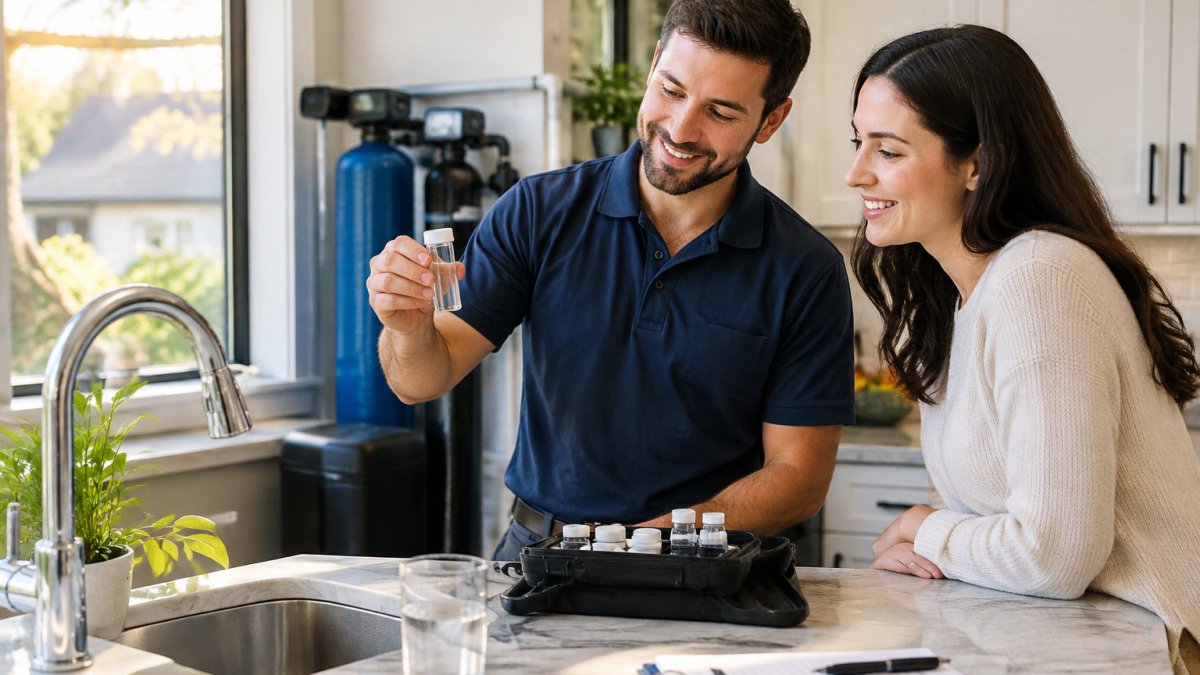
A free in-home visit typically works like this:
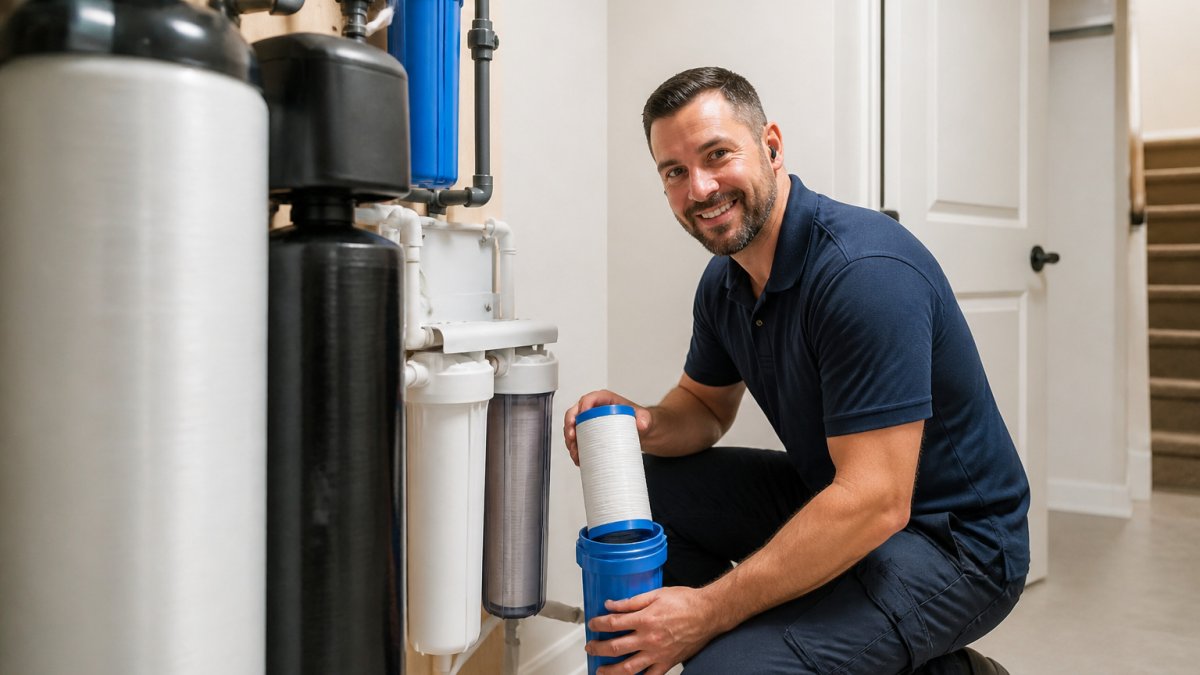
- A technician arrives and draws samples from your kitchen tap and, if relevant, your well
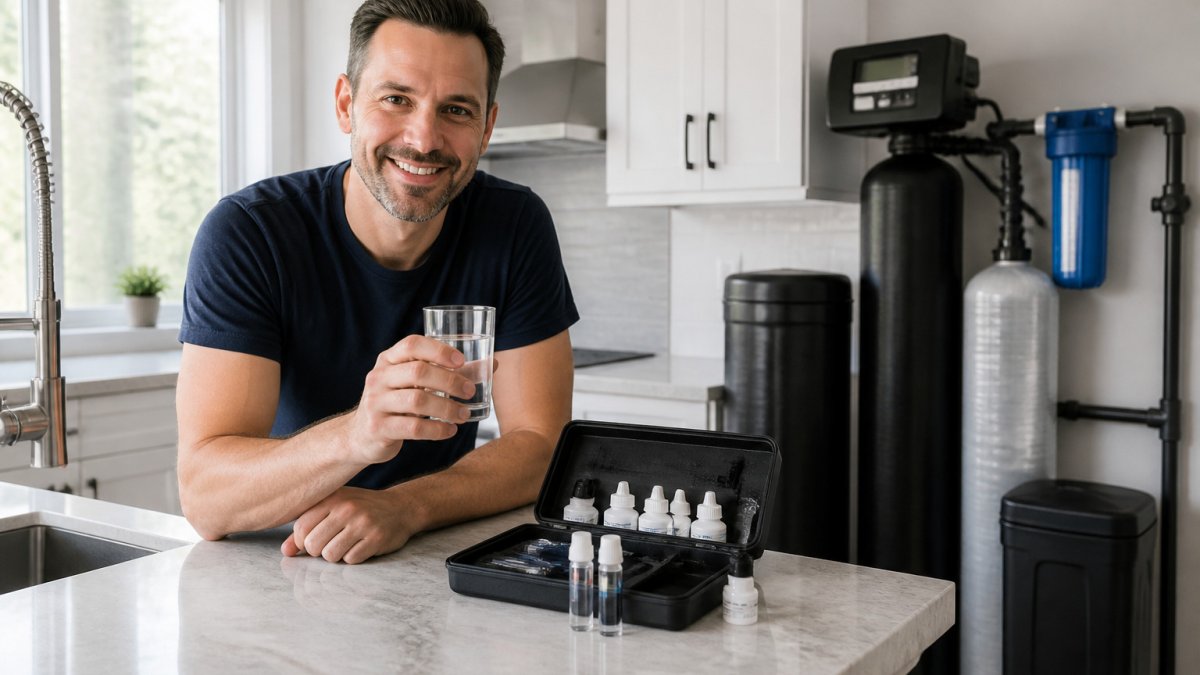
- They run field tests for hardness, chlorine, iron, and pH
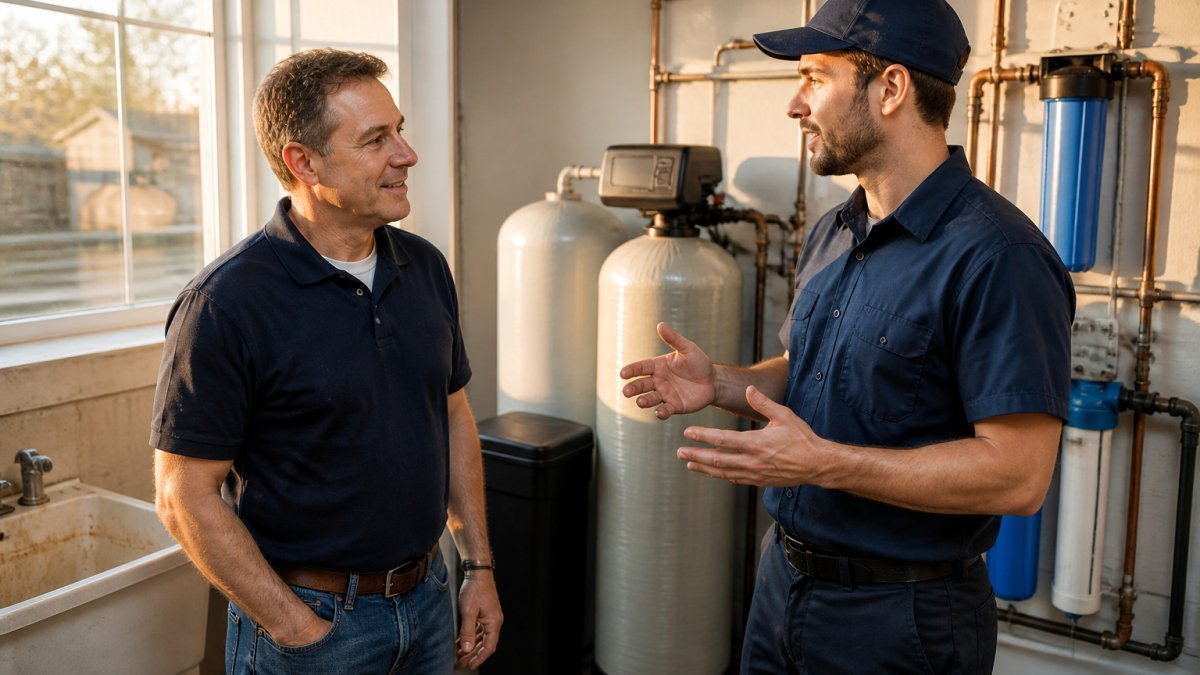
- They walk you through what the numbers mean for your plumbing and appliances
- They recommend treatment only if the results call for it
One honest caveat: free tests from commercial companies are often designed to spot problems their products can solve. That's worth knowing going in. Certified laboratory testing is the better route for complex or health-related contaminant questions, as MyTapScore's guide to water testing points out.
If you want to book one of these visits, you can get your free water test and see the full scope before anyone shows up.
Private Well Water Testing Ontario: What Homeowners Need to Know
Well owners face a different set of questions than municipal customers. Your water isn't treated or monitored by anyone but you, and no utility is watching for changes.
The free bacterial kit from public health units is the backbone of well testing here.
That free kit answers a safety question. It does not answer a treatment question.
A practical routine for well owners:
- Test for bacteria at least twice a year, and again after any flooding, heavy rainfall, or plumbing work
- Test for hardness, iron, pH, and manganese when you move in, then every couple of years
- Retest any time water changes colour, taste, or smell, or after a nearby septic or agricultural disturbance
- If you disinfect the well with shock chlorination, wait until the chlorine has cleared before sampling, or the result will be skewed
Watch out: sampling too soon after a rainstorm or after opening the well cap can produce a false positive.
If iron staining or sulphur odours are already a problem, our well water treatment services start with testing, not guesswork. We won't recommend a system until we know what's actually in the water.
Signs of Hard Water in Your Home
Hard water leaves evidence. You just have to know where to look.
The most common signs we hear about:
- White, chalky crust on faucets and showerheads
- Soap that won't lather properly
- Stiff laundry and dull dishes
- Scale buildup inside kettles and on glass shower doors
- Dry skin and flat hair after washing
- Higher energy bills from a scale-coated water heater
None of these are dangerous. They're expensive, though. Scale shortens the life of tankless water heaters, dishwashers, and washing machines, and it's the number one reason homeowners call us about water softeners.
If you recognize three or more of these signs, our guide to the signs of hard water in your home walks through each one and what to do next.
How to Interpret Water Test Results
A water test report looks intimidating until you know what you're reading.
Hardness is measured in either parts per million or grains per gallon. Higher numbers mean more scale-forming minerals. Your softener decision hinges on this figure.
Iron and manganese cause staining at relatively low levels. If your report flags either, treatment is usually worth discussing.
pH tells you whether water is acidic enough to corrode pipes or alkaline enough to scale them. Both extremes matter.
Chlorine residuals show what's left after municipal treatment. It's there for disinfection, but it affects taste and odour.
Nitrates are a concern in some rural areas and are worth checking if you have a well near agricultural land.
Turbidity measures cloudiness and can signal filtration problems.
If you're stuck on the hardness number specifically, our guide on how to test water hardness levels at home explains how to read ppm or grains and decide whether a softener makes sense.
Free vs. Comprehensive Testing: What the Difference Means for Your Home
This is the distinction most guides gloss over, and it's the one that matters most.
| Test Type | What It Covers | Who Provides It | Best For |
|---|---|---|---|
| Free bacterial kit | E. coli, total coliform | Public health units | Well owners checking safety |
| Free in-home visit | Hardness, chlorine, iron, pH, basic screening | Water treatment companies | Municipal and well homeowners choosing treatment |
| Certified lab panel | Full chemical and contaminant analysis | Accredited labs | Health concerns, real estate transactions, complex problems |
Free doesn't mean worthless. It means limited. A free bacterial kit answers one question well. A free in-home visit answers a broader set of practical questions. A certified lab panel answers everything, but you pay for it and wait longer for results.
Match the test to the question you're actually asking. If you're worried about bacteria, start with the health unit. If you're tired of scale and staining, an in-home visit gets you further, faster.
Step-by-Step: How to Collect a Water Sample for Testing
Clean sampling is the difference between a useful result and a wasted trip.
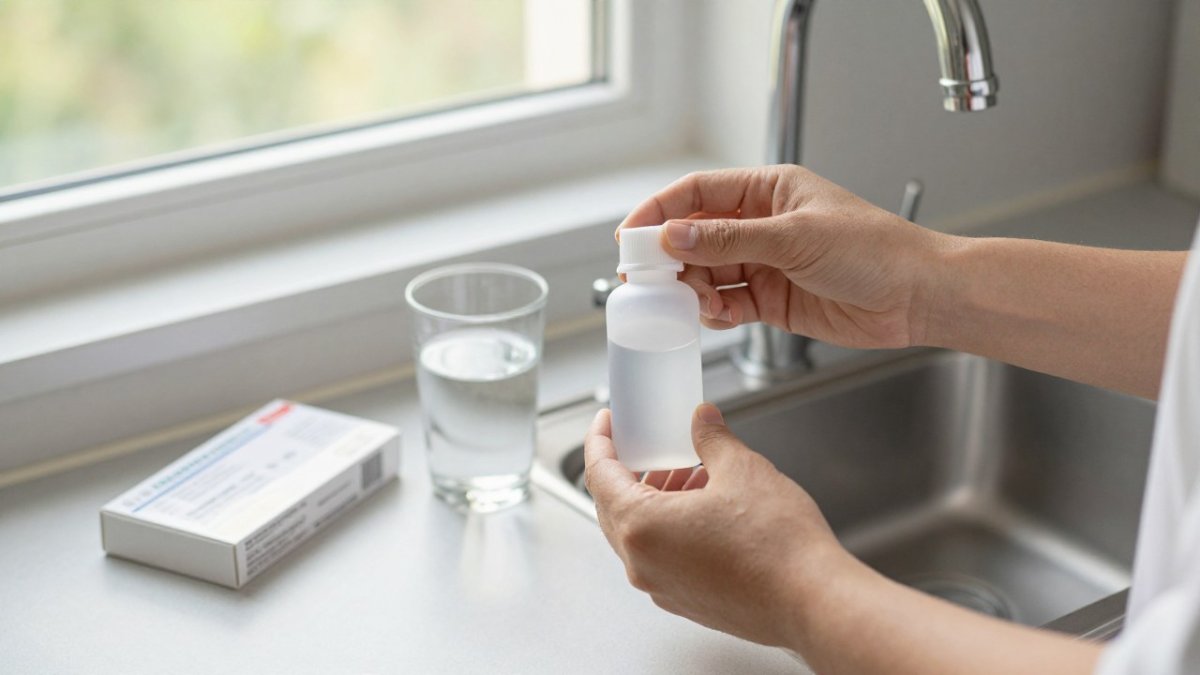
Follow these steps, and pay attention to the reason behind each one:
- Wash your hands before touching the bottle or cap. Skin oils and residue on your fingers are a common source of false positives in bacterial tests.
- Remove any aerator or filter from the tap. Aerators trap sediment and biofilm, and a filter housing can hold contaminants that aren't in the water line itself.
- Run cold water for several minutes to clear the line. This flushes water that's been sitting in the pipes, which can pick up metals or bacteria from the plumbing.
- Open the sterile bottle only when you're ready to fill it. Every second the cap is off, airborne particles can enter.
- Fill to the line, leaving the small air gap the instructions call for. Overfilling can push preservatives out of the bottle; underfilling leaves too little water for the lab to work with.
- Cap immediately and avoid touching the inside of the lid. The inside of the cap is sterile until you touch it.
- Label the bottle with your name, address, and collection date. Labs need this to match the sample to your submission.
- Keep it cool and deliver it within the time window the lab specifies. Warm samples allow bacteria to multiply and can change chemical readings.
Watch out: the most common mistake is collecting from a filtered tap or a swivel faucet. Both can skew results.
For lab submissions, keep the sample cold and drop it off within the required window. Chain of custody matters for certified testing, so don't open the bottle again once it's sealed.
A quick visual check before you leave the house: bottle capped, label filled in, sample bag sealed, and the drop-off location's hours confirmed. That five-second check prevents most return trips.
Book Your Free Water Test and Consultation
Guessing at your water quality gets expensive. Scale builds up quietly, iron stains set in, and by the time you notice, you're replacing appliances instead of protecting them.
Start with a test. You can get your free water test to learn what your results mean. Pure Life H2O is an authorized Pentair dealer with over 26 years of experience, offering water softeners, whole-home carbon filtration, reverse osmosis drinking water systems, and well water treatment for iron and sulphur.
Get started with Pure Life H2O and find out what's really coming out of your tap.
Frequently Asked Questions
Is free in-home water testing accurate?
Accuracy depends on the provider. Free bacterial testing kits from Ontario public health units are processed by accredited laboratories and are reliable for E. coli and total coliform. Free in-home tests from water treatment companies often use field kits or simple strips that give a general indication of hardness, chlorine, or iron, but they are not a substitute for certified laboratory analysis. For health-related contaminants like lead or nitrates, ask for a certified lab test. Use free testing as a starting point, then confirm with accredited lab results before making treatment decisions.
What does a professional water test check for?
A comprehensive professional water test typically screens for many parameters, including hardness, pH, chlorine residuals, iron and manganese, nitrates, lead levels, turbidity, and bacterial analysis (E. coli and total coliform). Some also test for sulphate, sodium, and other minerals. This goes far beyond the free bacterial kits from public health units, which only check for bacteria. If you have a private well or older plumbing, a broader panel helps identify issues like mineral content, corrosion potential, and contaminant screening that affect taste, appliances, and safety.
How often should I have my home water tested?
Test your water at least once a year if you rely on a private well, and more often if you notice changes in taste, odour, or colour. For municipal water, testing every two to three years is reasonable, or whenever you move into a new home or notice signs of hard water like scale buildup. After any plumbing work or flooding, retest. Regular testing helps you track water quality parameters over time and adjust treatment systems, such as water softeners or filtration, before problems like limescale or bacterial growth become costly.
Does the city provide free water testing for homeowners?
Municipalities do not typically provide free in-home water testing for homeowners. However, Ontario public health units offer free bacterial testing kits for private well owners, which you collect and drop off at designated locations. These kits test for E. coli and total coliform but not for hardness, lead, or other chemicals. For a full picture of your water quality, including chlorine residuals and mineral content, you need a private lab or a water treatment company that offers comprehensive testing. Some water treatment companies provide free water tests as part of a consultation.