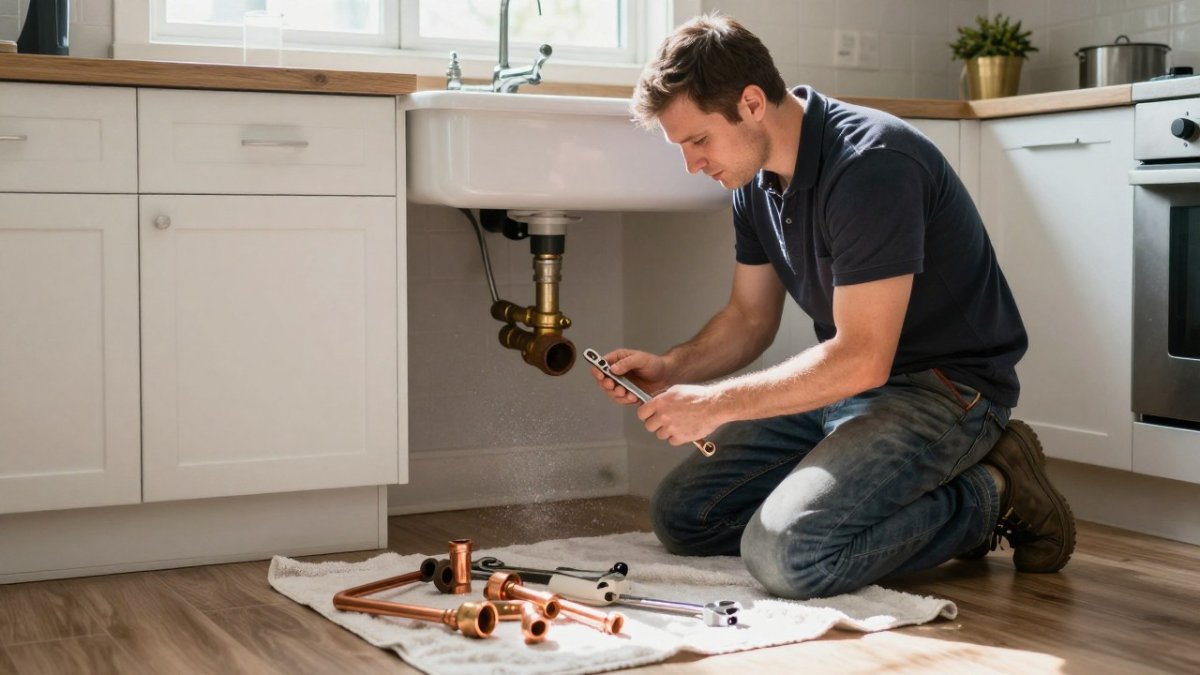
 How-to
Why Does My Tap Water Smell Metallic? Causes and Fixes
Last Updated: November 7, 2026
Quick Summary
Why does my tap water smell metallic? The cause is almost always something dissolved in the water or picked up in transit, most often iron, copper, zinc or manganese, or corrosion in pipes, tanks and fittings. Timing and location help narrow it down, and a water test is the most reliable way to identify the metal.
- Run the cold tap for 30 to 60 seconds before drinking, especially after water has sat overnight.
- A smell only at the hot tap often points to the water heater or its anode rod.
- Iron is the most common metal in Ontario well water and often leaves orange or brown staining.
- Boiling water does not remove metals; it concentrates them as water evaporates.
- Test your water before choosing a treatment, since smell alone cannot identify the metal involved.
Table of Contents
- What a Metallic Smell in Tap Water Usually Means
- Metallic Smell Versus Metallic Taste: Why the Difference Matters
- Metallic Taste in Tap Water: Pipes, Tanks and Fittings
- Iron in Well Water and Other Source-Related Causes
- Why Only Hot Water Smells Metallic
- Is Metallic-Smelling Tap Water Safe to Drink?
- A Step-by-Step Diagnostic Sequence and Water Testing for Metals
- Booking Your Free Water Test and Next Steps
- Frequently Asked Questions
What a Metallic Smell in Tap Water Usually Means
Many homeowners notice it first in the morning or after the house has sat unused.
The smell can also come from outside the home. Municipal systems and private wells carry different risks, so first work out where your water comes from.
Pure Life H2O has spent over 26 years helping Ontario homeowners sort out water quality problems. Our free in-home water testing service explains how the process works.
Metallic Smell Versus Metallic Taste: Why the Difference Matters
A metallic smell and a metallic taste are not always the same problem. Smell comes from volatile compounds you notice through the nose, often when running hot water or filling a kettle.
This difference helps you narrow things down:
- Smell only at the hot tap: often points to the water heater, its anode rod or hot-water-specific corrosion.
- Smell at both hot and cold taps: more likely a source or supply issue.
- Taste when drinking cold water: often dissolved metals such as iron or copper.
Noticing which one you have is one of the most useful things you can do when you ask yourself why does my tap water smell metallic before calling anyone.
Metallic Taste in Tap Water: Pipes, Tanks and Fittings
Your plumbing can be a source of metal. Water sitting in pipes, storage tanks or fittings dissolves small amounts of metal over time, and the longer it sits, the more it picks up.
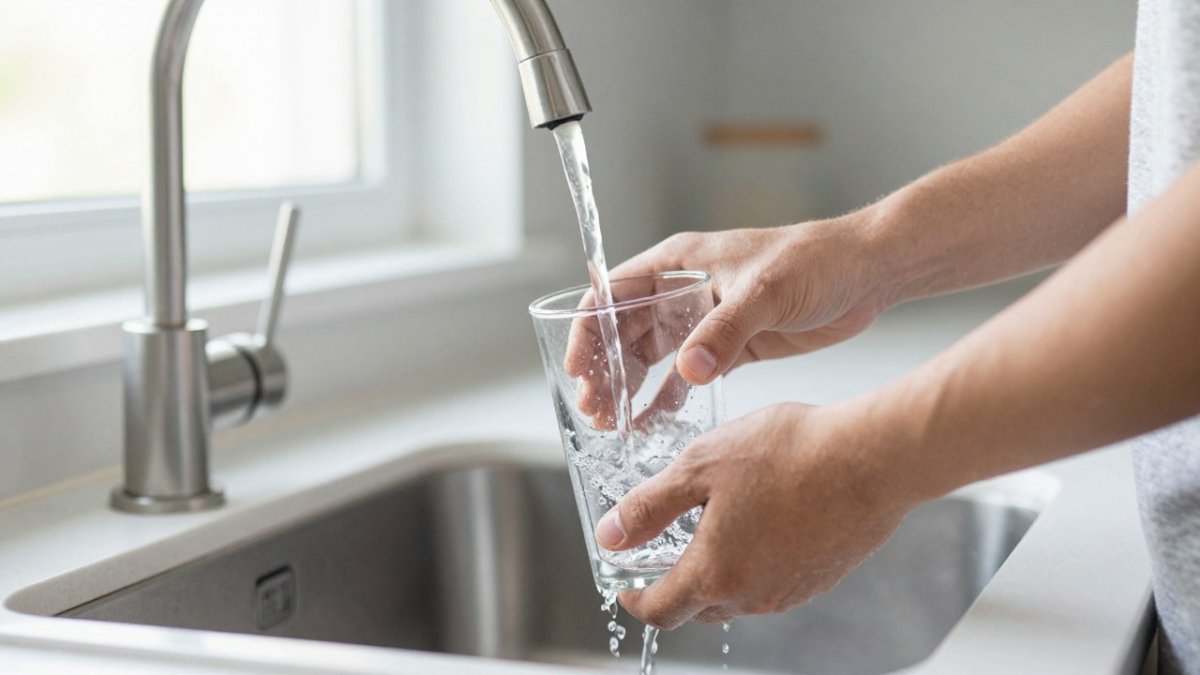
Copper Pipes and Copper in Drinking Water
Copper is a common plumbing material in Ontario homes. Water with low pH or high dissolved oxygen can slowly corrode copper pipes, releasing copper into the water. A metallic, bitter taste is one sign.
A good first step is to run the cold tap for 30 to 60 seconds before drinking, especially after the water has sat overnight. This flushes out water that has been in contact with the pipe longest.
Low pH, Corrosion and Standing Water
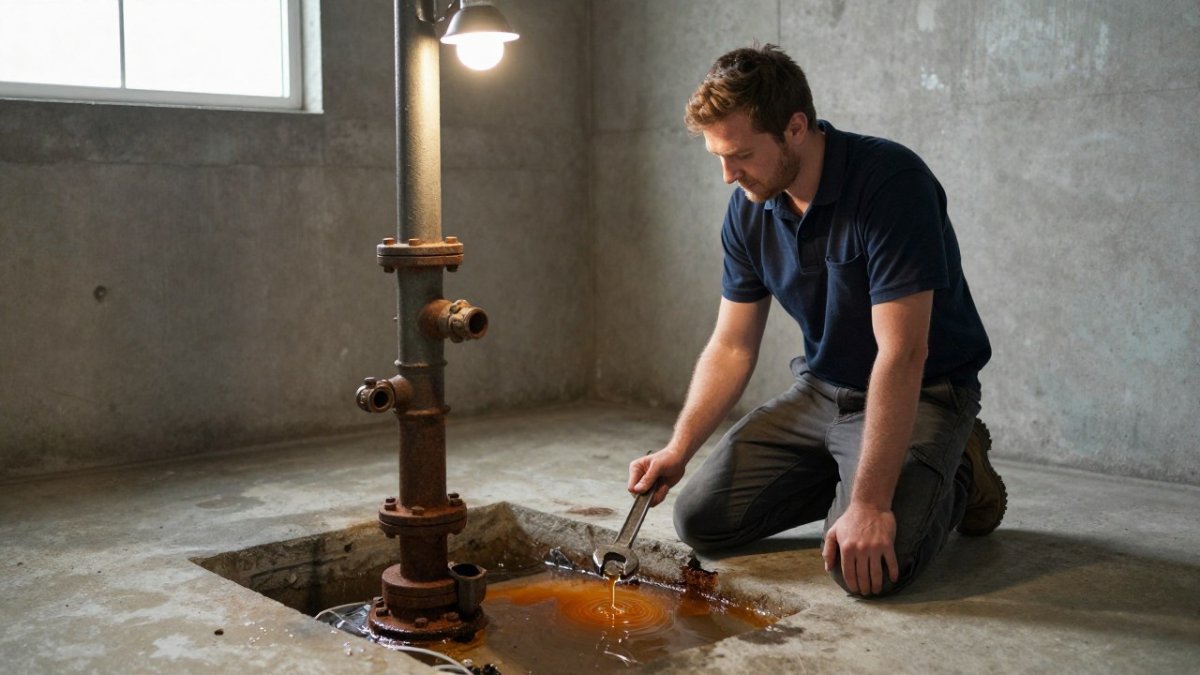
Low pH, meaning acidic water, is a major driver of corrosion. Acidic water is more aggressive toward metal pipes, fittings and tanks, adding metal to the water and causing discolouration and sediment.
Standing water makes the problem worse. Stagnant water in unused pipes or a holding tank has more time to dissolve metal. Common practical steps include:
- Flush taps that have not been used for several hours
- Check for visible rust or staining at fixtures
- Test your water's pH and metal content before choosing a fix
The table below summarises the main plumbing-related causes of a metallic smell or taste, along with the first step the article recommends for each.
Cause | Where it shows up | First step |
|---|---|---|
Copper pipe corrosion | Bitter, metallic taste | Run cold tap 30 to 60 seconds |
Low pH (acidic water) | Corrodes pipes and fittings | Test pH and metal content |
Standing water | Taste worst after sitting overnight | Flush taps unused for hours |
Rust or staining at fixtures | Visible at taps and fittings | Check for rust or staining |
Iron in Well Water and Other Source-Related Causes
If your home runs on a private well, the water source is often the main cause. For a local overview, see the iron and sulphur removal options for Ontario well water.
Iron is not the only source problem. Other causes include:
- Naturally occurring manganese, which can add a metallic taste and dark staining
- Sulphur bacteria, which can add a rotten-egg smell that some people mistake for metal
- Dissolved minerals that change as the water moves through the ground
Well owners should test their water at least once a year, and anytime the taste or smell changes. If iron is the problem, this guide to treating iron and sulfur in well water covers testing, filter choices and maintenance.
Why Only Hot Water Smells Metallic
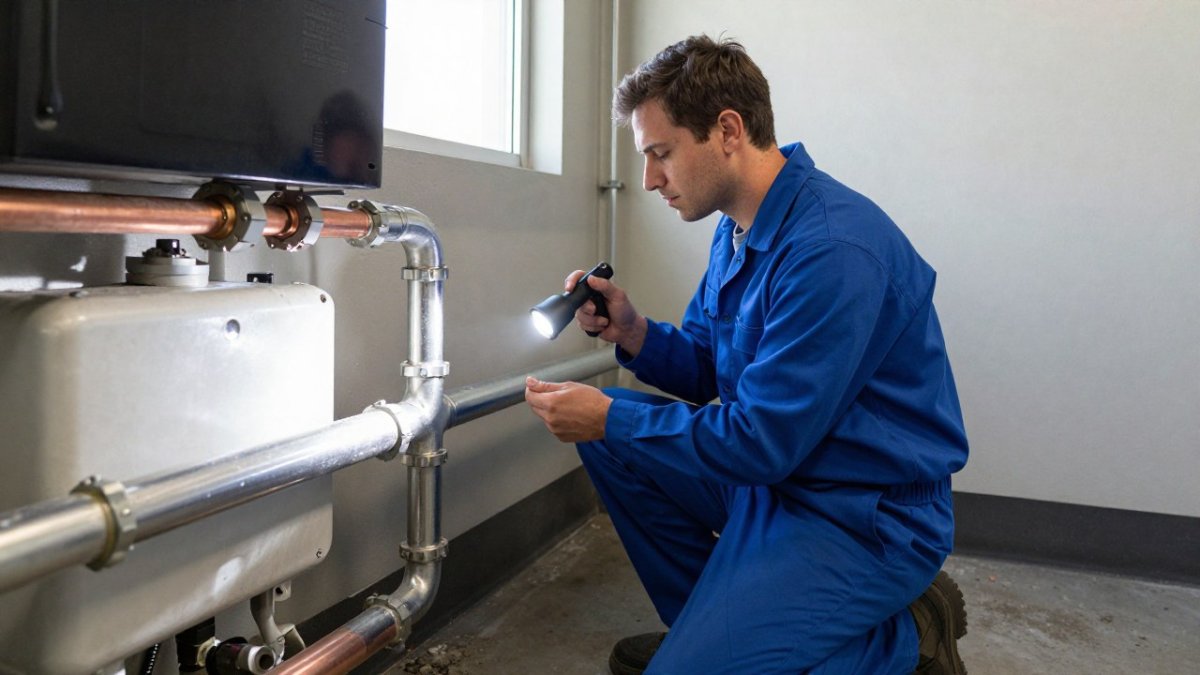
If the metallic smell appears only at the hot tap, look at your water heater first. Hot water speeds up corrosion, so the heater and its components often add more metal or odour than the cold supply does.
Common appliance-specific causes include:
- Water heater anode rod: Anode rods are sacrificial metal rods that protect the tank. When they corrode, they can release a metallic or rotten-egg smell into the hot water.
- Water heater tank corrosion: Older tanks can corrode from the inside, adding metal to the hot water.
- Hot-water-only plumbing: Hot lines can corrode faster than cold lines, which can add metal to hot water only.
A plumber or water treatment professional can inspect the heater and anode rod. If the smell is strong, it is worth having it checked before you run more hot water.
Is Metallic-Smelling Tap Water Safe to Drink?
A metallic smell is not proof of a health hazard, but it is also not proof of safety. Safety depends on which metal is present, at what concentration, and who is drinking the water. Because smell alone cannot identify which contaminants are present, Pure Life H2O recommends professional water testing before choosing a filtration system. Our water treatment specialists help homeowners across the Greater Toronto Area identify water quality concerns and select appropriate treatment solutions.
Nuisance causes versus causes for caution
Most metallic smells in Ontario homes trace back to iron, manganese, or small amounts of copper or zinc picked up from plumbing. At typical household levels these are primarily aesthetic problems: they affect taste, stain fixtures, and can shorten appliance life, but are not usually an acute health concern. A common pattern is a faint metallic note that appears only after water sits in the pipes and fades after flushing.
Other situations deserve more caution:
- Lead: Older homes, and some built before lead service lines were phased out, can have lead solder or lead pipes. Lead has no reliable smell or taste, so a metallic smell is not a signal either way. Lead is a health concern, particularly for young children and pregnant household members, and is worth testing for directly in older properties.
- Copper at elevated levels: Copper is an essential nutrient at low levels, but high concentrations from corroded pipes can cause stomach upset. A bitter, metallic taste alongside blue-green staining is a reason to test rather than guess.
- Sudden changes on municipal supply: A new, strong, or discoloured metallic smell that appears without warning can indicate a change in the distribution system or your own plumbing. Contact your municipal water provider rather than waiting.
When to stop drinking the water and use an alternative source
Use bottled or an alternative source for drinking and cooking, and for mixing infant formula, if any of the following apply:
- The smell is strong, sudden, or accompanied by discolouration, sediment, or a change in clarity.
- You are on a private well and have not tested since the smell began.
- Anyone in the home is pregnant, an infant, or has a weakened immune system, and the cause is unknown.
Watch out: boiling the water does not remove metals. Boiling concentrates them as water evaporates, so it is not a remedy for a metallic smell and should not be treated as one.
Who to contact, and in what order
- Municipal supply: Contact your municipal water provider first for a sudden change. Most Ontario municipalities publish water quality information and can tell you whether work in your area could affect taste or clarity. Your local public health unit is the right contact for health-related questions about drinking water.
- Private well: Test before drinking, especially with vulnerable household members. Your local public health unit can advise on testing and on interpreting results.
- Symptoms: If anyone develops stomach upset or other symptoms you think may be linked to water, speak to a health care provider and mention the water concern.
The bottom line on safety
Treat a metallic smell as a prompt to investigate, not a verdict. Flush and observe, note whether the smell is hot-only, cold-only, or whole-house, and test for the specific metals involved. Testing is the only way to move from 'probably fine' to 'known.' If you would rather not interpret results alone, a professional water test can translate the numbers into a clear next step.
A Step-by-Step Diagnostic Sequence and Water Testing for Metals
Working through these steps in order saves time and helps you describe the problem clearly to a professional. Each observation narrows the likely cause before you spend anything on testing.
Step 1: Map where and when the smell occurs
Before touching a test kit, build a simple picture of the problem. Note:
- Which taps: one faucet, all cold taps, all hot taps, or both hot and cold.
- Timing: first draw in the morning, after the house has been empty, or consistently throughout the day.
- Persistence: does it fade after 30 to 60 seconds of running, or stay the same?
A single-faucet smell points to that fixture or its supply line. Hot-only points to the water heater or hot-side plumbing. Whole-house points to the supply, the service line, or the main plumbing.
Step 2: Run the flush test
Run the cold tap for 30 to 60 seconds and smell again. If the smell fades, the cause is likely water that sat in the plumbing and picked up metal. If it persists, the source is more likely the supply itself. Repeat separately at the hot tap, since hot and cold can behave differently.
Step 3: Collect a sample the right way
This is where most homeowner testing goes wrong. The sample you collect determines what the lab can tell you.
- First-draw sample: Collect immediately on opening the tap, before any flushing, from the tap you use for drinking. This captures what the water picked up while sitting in your plumbing and is the right sample for plumbing-derived metals such as copper or lead.
- Flushed sample: Run the tap for a set period, then collect. This better reflects the incoming supply rather than the plumbing. Collecting both, clearly labelled, lets a lab separate supply issues from plumbing issues.
- Hot versus cold: Sample the cold tap for drinking-water metals. Hot water can carry higher metal levels from the heater and is not the tap you drink from, so a hot sample is mainly useful for diagnosing a hot-water-only problem.
Watch out: do not sample through a filter, softener, or aerator screen if you want to know what is coming into the home. Sample the raw tap water, and note on the form whether any treatment is installed. You can review the company's water testing options for metals before you collect a sample.
Step 4: Choose lab testing versus on-site testing
- Certified laboratory testing is the right choice when you need defensible numbers for metals such as lead, copper, iron, manganese, and zinc, along with pH. It is also the right choice for a private well, a pre-purchase situation, or when a health concern is involved. Look for a laboratory accredited for drinking-water analysis.
- On-site testing is useful for a fast read on parameters like pH, hardness, iron, and total dissolved solids, and for confirming a suspected cause before committing to treatment. It is a screening tool, not a substitute for lab confirmation of metals at low concentrations.
Step 5: Interpret results against practical thresholds
Connect each measurement to a next step rather than a verdict:
- Iron and manganese: Primarily aesthetic at typical household levels, causing taste, odor, and staining. Treatment is usually about taste and staining rather than health.
- Copper: Elevated copper alongside low pH and blue-green staining points to corrosive water and a plumbing interaction. The fix usually addresses pH and corrosion, not just the metal.
- Lead: Any detectable lead in a first-draw sample from an older home warrants attention and a conversation with your public health unit about next steps.
Taste and smell do not establish safety, and a single number does not establish a treatment plan. Results tell you which metal is present and roughly how much; the treatment decision follows from the combination of metal, concentration, pH, source, and plumbing.
Step 6: Match the fix to the finding
Once results are in, treatment follows the cause: pH correction and corrosion control for acidic water attacking pipes, iron and manganese filtration for source-related metals, and point-of-use treatment where the concern is drinking water specifically.
Pure Life H2O offers a free water test. If you would like help interpreting results before choosing equipment, book a consultation to talk through the numbers.
Booking Your Free Water Test and Next Steps
If your tap water smells metallic and you are not sure why, a water test is the fastest way to find out. You can find out where to get a free in-home water test in the GTA and what to expect when you book.
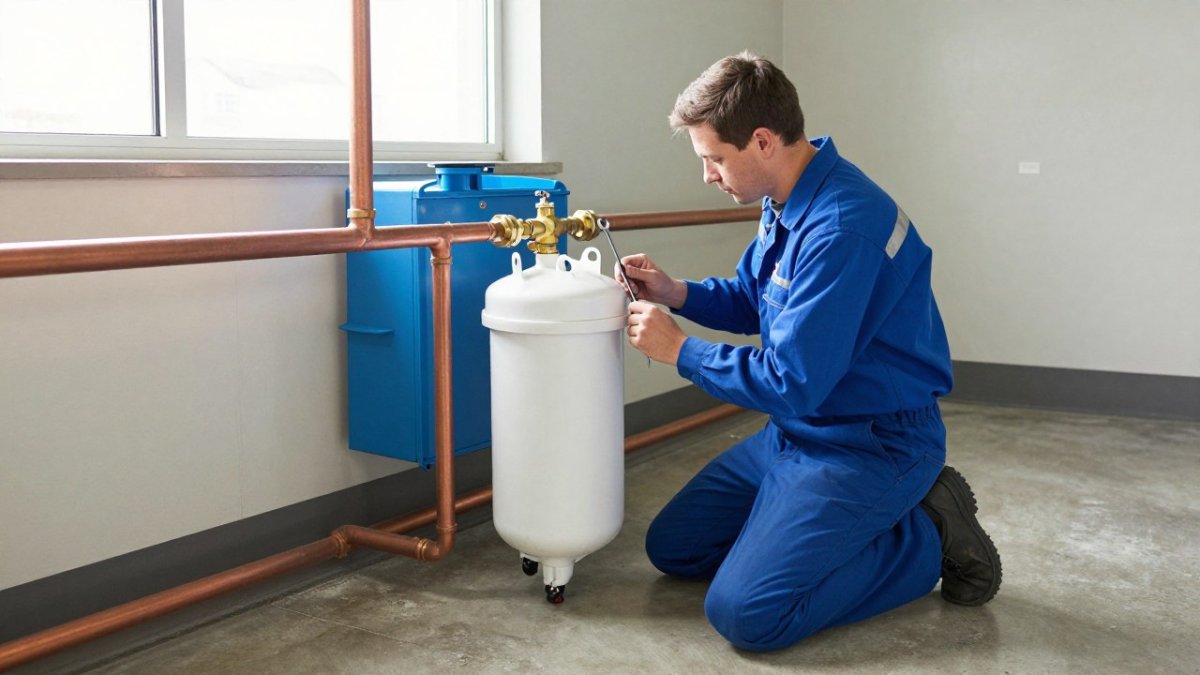
Once the results show what is in your water, the right treatment can be chosen, such as a water softener, iron filter or whole-home filtration system.
Ready to find out what is causing the smell? Book your free water test with Pure Life H2O today and get clear answers about your drinking water.
Frequently Asked Questions
Why does my tap water smell or taste metallic?
A metallic smell or taste in tap water is most often caused by dissolved metals or by water that has been in contact with pipes, tanks or fittings. Copper, iron and zinc can all be picked up from plumbing, especially when water sits overnight. Low pH, meaning acidic water, makes corrosion more likely. Because the cause can be in your home plumbing, your water heater or the water supply itself, a diagnostic sequence and a water test are the most reliable way to find out which one applies to your home.
Is tap water with a metallic smell safe to drink?
It depends on the cause and the level of metals present, which is why a metallic smell alone cannot confirm safety. If the odour is new, strong, or accompanied by discolouration, sediment or a change in taste, avoid drinking it until you have tested it. Run the cold tap until the water is noticeably colder before use, and contact your utility if the problem affects a wider area. A laboratory test is needed to know what metals are present and at what concentration.
Can old pipes make tap water smell metallic?
Yes. Older copper, galvanized steel and plumbing fittings can corrode over time, releasing metal into water that sits in them. Water that stays in pipes for several hours, such as overnight or during a vacation, tends to pick up more metal than water that is used regularly. Flushing the cold tap for a minute or two before drinking often reduces the taste, but it does not replace testing if the problem persists.
How can I tell whether the metallic smell comes from my plumbing or the water supply?
Check whether the smell is present in both hot and cold water, whether it appears only after the water has sat, and whether it affects one tap or the whole house. If only the hot water smells metallic, the water heater or hot-water pipes are a likely source. If the smell is present throughout the house and after flushing, the source is more likely the supply or a well. A water sample collected correctly is the most reliable way to narrow it down.