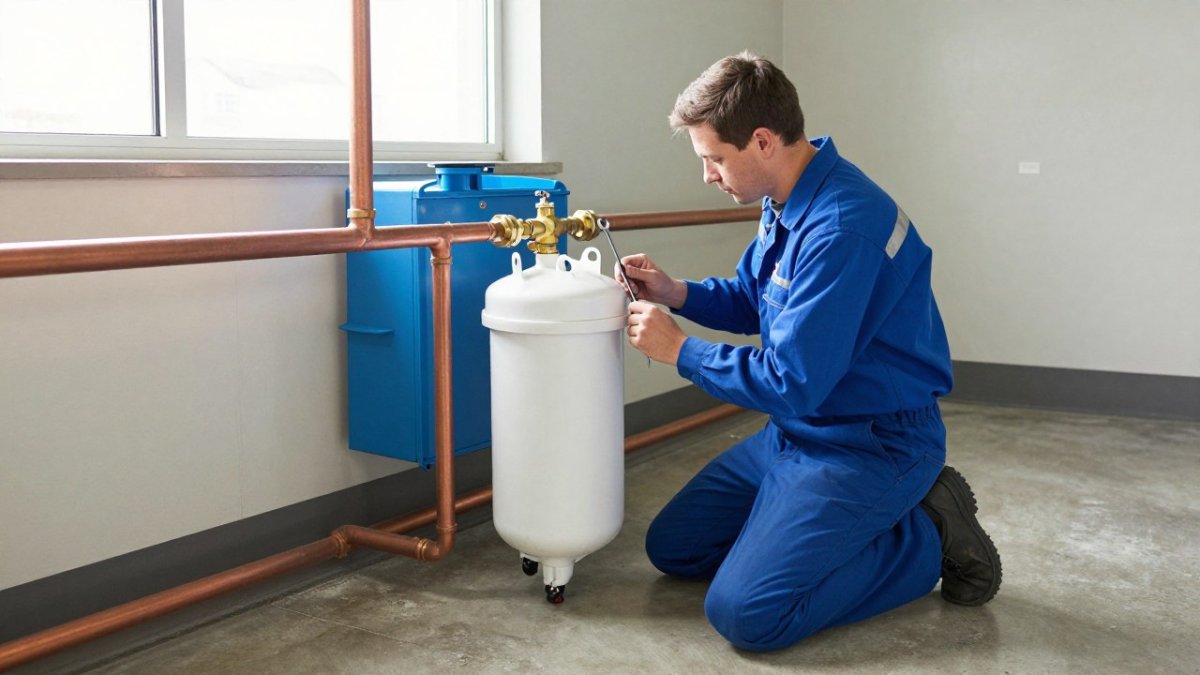
 How-to
How to Prevent Scale in Plumbing at Home
Table of Contents
- What Scale in Plumbing Is and Why It Forms
- Signs of Scale Buildup in Your Plumbing
- Step 1: Test Your Water Hardness at Home
- Step 2: Choose a Water Softener for Hard Water
- Step 3: Protect Water Heaters and Fixtures From Scale
- Step 4: Maintain Your System and Pipes Over Time
- How to Remove Limescale From Plumbing Fixtures
- Book Your Free Water Test to Start Preventing Scale
- Frequently Asked Questions
Last Updated: November 17, 2026
What Scale in Plumbing Is and Why It Forms
Scale is a hard, crusty layer of mineral deposits that builds up inside pipes, on faucets, and on water heater elements, and knowing how to prevent scale in plumbing starts with understanding where it comes from.
Water picks up calcium and magnesium as it moves through rock and soil. Once it reaches your home, those minerals stay dissolved until conditions change. Heat, pressure changes, and evaporation all push them out of the water and onto whatever surface is nearby.
The science of water hardness in Ontario homes
Water hardness measures the amount of dissolved calcium and magnesium in your water. Hardness is usually reported in milligrams per litre as calcium carbonate, or in grains per US gallon in older equipment specifications.
Hard water does not hurt you when you drink it. The problem is what it leaves behind. Each time hot water runs through a pipe or heating element, a little more mineral comes out of solution and sticks to the metal.
Signs of Scale Buildup in Your Plumbing
Scale tends to show up slowly, so many homeowners miss the early signs, and learning how to prevent scale in plumbing depends on catching them. Watch for these common problems:
- White or grey crusty deposits around faucet aerators and showerheads
- Spotty glass and dishes that never look fully clean
- Weaker water flow from taps or the shower
- Water heater that takes longer to heat or makes rumbling or popping noises
- Stiff, dingy laundry and dry skin after bathing
- Faucets and fixtures that need frequent cleaning
If you notice several of these, scale is likely already forming. Catching it early saves you from more costly repairs later.
Step 1: Test Your Water Hardness at Home
Before you choose a solution, find out how hard your water is. Testing gives you a real number to work with instead of guessing.
What you'll need:
- A simple hardness test strip or drop kit, available at most hardware stores
- A clean glass of cold tap water
- About 10 minutes
How to do it:
- Run the cold tap for about one minute to clear the line.
- Fill a clean container with water from the kitchen tap.
- Dip the test strip for the time listed on the package, or add drops as the kit directs.
- Compare the colour to the chart and record the result.
For a more detailed reading, you can GET YOUR FREE WATER TEST through Pure Life H2O, which can check hardness along with iron, sulphur, and other water quality factors. You can get a Health Canada guidance on drinking water quality reference for the wider safety picture while you plan your next steps.
Many homeowners find that the test result alone makes the right choice much clearer.
Step 2: Choose a Water Softener for Hard Water
Once you know your hardness level, you can decide what to do about it. A water softener removes calcium and magnesium through ion exchange, which is the most direct way to stop new scale from forming on your plumbing. But a softener is not the only option, and it is not always the right one. Use your test result and your plumbing situation to narrow the choice.
Match the method to your hardness reading
Hardness is usually reported in milligrams per litre as calcium carbonate, or in grains per US gallon on older equipment. As a general guide that most water treatment practitioners use:
- Under about 60 mg/L (roughly 3.5 grains per gallon): water is generally considered soft to slightly hard. Scale is usually minimal, and targeted cleaning of fixtures may be enough. Confirm with a professional test before buying equipment.
- About 60 to 120 mg/L (roughly 3.5 to 7 grains per gallon): moderately hard. Scale forms slowly on hot-water surfaces. A softener or a scale conditioner can both make sense depending on budget and plumbing.
- About 120 to 180 mg/L (roughly 7 to 10.5 grains per gallon): hard. Scale on water heater elements and fixtures becomes noticeable. Ion-exchange softening is the most reliable prevention.
- Above about 180 mg/L (roughly 10.5 grains per gallon): very hard. Softening is strongly indicated, and water heater flushing becomes more important.
These bands are guidance, not a substitute for a proper test. Your iron, manganese, and sulphur levels also affect which equipment suits your home.
Compare the three main prevention approaches
Ion-exchange water softeners swap calcium and magnesium for sodium or potassium on a resin bed. They genuinely remove the hardness minerals, so new scale cannot form from those minerals. They require salt, regeneration, and periodic service. They are the most effective choice for whole-home protection in hard-water homes.
Scale conditioners (template-assisted crystallization or similar physical devices) change how minerals behave so they are less likely to stick to surfaces. Because these devices leave calcium and magnesium in the water, checking your water’s hardness at home can help you judge whether a scale conditioner suits your plumbing, as AquaShield Home Systems explains.
Scale inhibitors (polyphosphate or similar chemical dosing) slow crystal formation so deposits stay suspended rather than coating pipes.
Consider your situation, not just your number
- Renters and apartment dwellers usually cannot install a whole-house softener. A point-of-use softener for a shower, or a pitcher or under-sink filter rated for hardness reduction, can reduce scale on the fixtures you use most.
- Well owners should test for iron and manganese as well as hardness. Iron can foul softener resin, so the treatment order matters.
- Homes with tankless water heaters benefit most from true softening, because scale on a heat exchanger is costly to remove.
- Homes on municipal supply still see scale; hardness varies by source and season, so retest if your water source changes.
Pure Life H2O offers a range of water softener options for Ontario homes, and the right size depends on your water hardness and daily water use. If you want a broader walkthrough on dealing with hard water, this related guide covers how to get rid of hard water in your house in more detail.
Softeners do need regular maintenance. Salt levels, resin condition, and regeneration settings all affect how well the system performs. Ask your installer to show you how to check these items.
Watch out: buying a softener sized for a smaller household than yours will lead to frequent regeneration and poor performance, so confirm the sizing calculation with your installer before you buy.
Step 3: Protect Water Heaters and Fixtures From Scale
Water heaters take the hardest beating because they heat water and let minerals settle out.
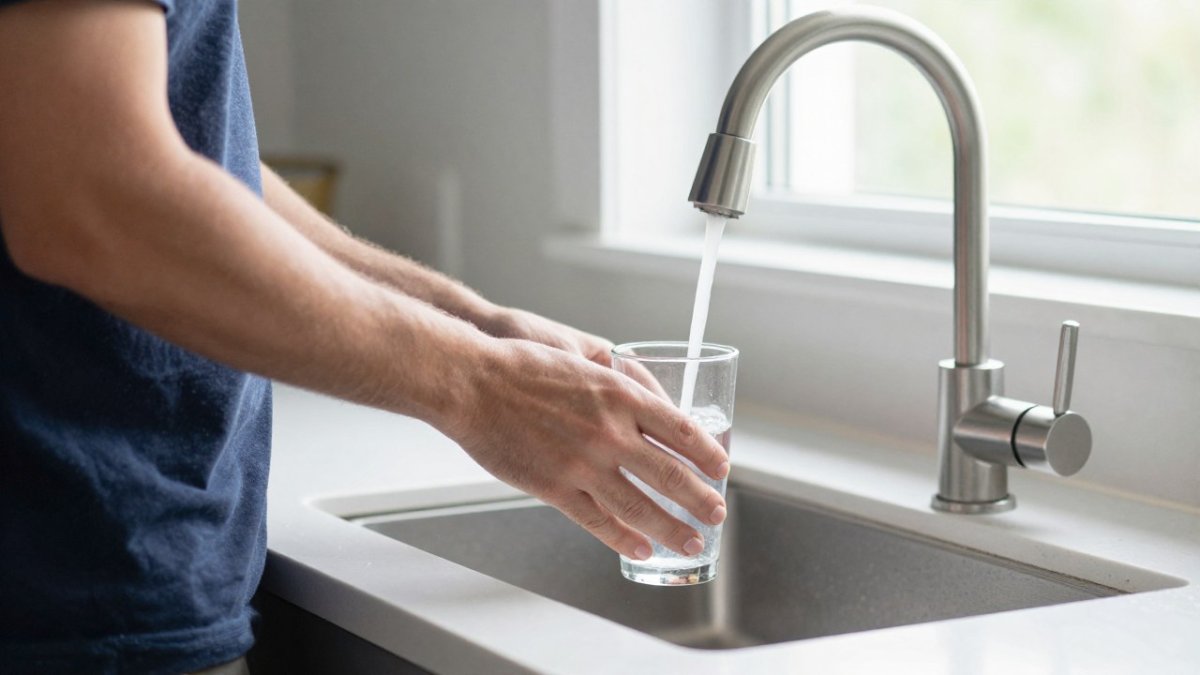
Fixtures need a different approach. Aerators and showerheads can be soaked in a mild acidic cleaner, such as diluted white vinegar, to loosen mineral deposits.
Scale can also reduce the life of tankless water heaters, so homes with that type of unit should pay close attention to water treatment.
The table below summarises how scale affects different parts of the home and what to do about it.
| Area | Problem | Action |
|---|---|---|
| Water heater | Minerals settle in the tank | Flush the tank once a year |
| Aerators and showerheads | Mineral deposits block flow | Soak in mild acidic cleaner such as diluted white vinegar |
| Tankless water heater | Scale reduces unit life | Pay close attention to water treatment |
| Fixture finishes | Acid can damage some finishes | Check manufacturer instructions first |
Step 4: Maintain Your System and Pipes Over Time
Prevention works best as a routine. Set a schedule and stick to it.
- Monthly: Check salt levels in your softener and look for bridging or salt mush.
- Every 3 to 6 months: Clean showerheads and faucet aerators.
- Once a year: Flush the water heater and inspect the anode rod.
- Every 1 to 2 years: Have a professional service your softener and review your water test results.
Keeping up with these tasks helps your system work well for years. Small problems caught early are much cheaper to fix than damaged pipes or a failed water heater.
How to Remove Limescale From Plumbing Fixtures
Existing limescale on fixtures can usually be cleaned without special tools, but the method depends on the finish and the material. Cleaning removes what is already there; it does not stop new deposits from forming.
Match the cleaning method to the material
- Chrome, stainless steel, and most plastic aerators and showerheads: diluted white vinegar is usually safe. Remove the part if it unscrews easily, soak for 30 minutes to an hour, scrub gently with a soft brush, rinse thoroughly, and reinstall.
- Brushed, matte, or oil-rubbed finishes: acid can dull or spot the surface. Use a manufacturer-approved descaler or a mild citric-acid solution, test on a hidden spot first, and avoid abrasive scrubbers.
- Natural stone, marble, and travertine surrounds: vinegar and other acids etch the surface. Do not use acidic cleaners here; use a pH-neutral cleaner and wipe dry.
- Rubber and plastic parts, seals, and O-rings: some strong cleaners break these down. Remove them before soaking or use a gentler method.
- Toilet bowls and tanks: avoid pouring strong acid into the tank, which can damage the fill valve and flapper. Clean the bowl with a descaler rated for toilets and follow the label.
Know when cleaning is not enough
If limescale returns within a few weeks, or if you see crust on the water heater, the cause is hard water and a prevention method will do more good than repeated cleaning. A simple check: clean a showerhead thoroughly, then note how long it takes for white deposits to reappear. Rapid return points to a hardness problem rather than a cleaning problem.
Use descaling chemicals safely
Commercial descalers are acids, and they can damage some plumbing if misused. Read the label for the materials it is rated for, never mix descalers with bleach or other cleaners, ventilate the area, and wear gloves and eye protection.
Watch out: pouring a strong descaler into a water heater or a whole plumbing system without checking compatibility can corrode components, so confirm the product is rated for that use first.
If buildup keeps coming back quickly, the root cause is hard water, and a softening system will do more good than repeated cleaning.
Book Your Free Water Test to Start Preventing Scale
Preventing scale starts with knowing your water. A professional test shows exactly what your home is dealing with, so you can choose a solution that fits your plumbing and budget. Pure Life H2O offers a free in-home water test for Ontario homeowners, and you can also learn more about our water testing service before you book.
Book your free water test and consultation today, and start protecting your pipes, fixtures, and appliances from scale.
Frequently Asked Questions
What causes scale to build up in plumbing?
Scale forms when water containing dissolved calcium and magnesium is heated or evaporates, leaving behind mineral deposits such as calcium carbonate. Hot water heaters and tankless units tend to show scale first because heat speeds up the process. Water that is high in hardness, which is common in many parts of Ontario, produces more deposits. Over time these deposits narrow pipes, coat heating elements and build up on fixtures. Testing your water is the most reliable way to learn how hard your supply is before choosing a fix.
How can I prevent limescale in my pipes?
The most effective long-term approach is to reduce the hardness of the water entering your home, usually with a water softener sized for your household's water use. Regular maintenance matters too. Flush your water heater periodically, clean aerators and showerheads, and check that your softener is regenerating properly. Scale inhibitor systems are an alternative in some cases, but their performance varies, so a water test should guide which option suits your home.
Does a water softener prevent scale in plumbing?
A properly sized and maintained water softener removes the calcium and magnesium that cause hard-water scale, which significantly reduces new deposits in pipes, fixtures and water heaters. It does not remove scale that has already formed, so existing buildup may still need to be cleaned. A softener is also not a filter, so it will not address chlorine taste or sediment. Pure Life H2O can test your water and recommend a system that fits your household.
Can existing scale in pipes be removed without replacing them?
In many cases, yes. Fixtures such as showerheads and faucet aerators can often be soaked in a mild acidic cleaner, then rinsed thoroughly. Heavier buildup inside pipes or on heating elements usually calls for professional descaling. Always check the material first, because some finishes and rubber components can be damaged by strong cleaners. If scale is restricting flow throughout the home, a professional assessment will help determine the safest method.