 how-to
Why Your Water Smells Like Rotten Eggs: Causes & Solutions
Table of Contents
- What Causes Your Water to Smell Like Rotten Eggs
- Rotten Egg Smell in Hot Water vs. Cold Water
- How to Diagnose the Source: Well Water vs. Plumbing
- How to Test Well Water for Hydrogen Sulfide
- Is Sulfur Water Safe to Drink
- How to Remove Sulfur Smell from Well Water
- Prevention and Long-Term Management
- Frequently Asked Questions
Last Updated: October 11, 2026
What Causes Your Water to Smell Like Rotten Eggs
When your water smells like rotten eggs coming from your tap, it's unmistakable. It's one of the most common water quality complaints we hear at Pure Life H2O. The good news: it's usually fixable once you identify the source. The bad news: several different culprits can cause it, and the fix depends on which one you're dealing with.
The rotten egg odor in water typically comes from hydrogen sulfide gas or sulfur-reducing bacteria. Both produce the same distinctive smell. Understanding which is causing your problem is the first step toward getting rid of it.
Hydrogen Sulfide: The Primary Culprit
Hydrogen sulfide (H2S) is a dissolved gas that creates that classic rotten egg smell. It forms naturally in groundwater when sulfur compounds break down under oxygen-poor conditions. This is especially common in well water systems across the region.
The gas doesn't pose a major health risk at low levels, but it makes water unpleasant to drink, cook with, and bathe in. It can also stain fixtures and corrode plumbing over time. When H2S is present, you'll notice the smell most strongly at cold water taps first, since the gas stays dissolved better in cold water than hot.
Sulfur-Reducing Bacteria and Decaying Organic Matter
Sulfur-reducing bacteria thrive in oxygen-poor environments. They consume sulfur compounds in your water or plumbing system and produce hydrogen sulfide as a byproduct. This is why the smell sometimes appears only in hot water; bacteria can grow inside your water heater where conditions are ideal for them.
Decaying organic matter in groundwater or inside plumbing also releases sulfur compounds. Old pipes, sediment buildup, and stagnant water in rarely-used fixtures create perfect breeding grounds for these bacteria. The smell intensifies when water sits still for a while, then improves after you flush the line.
Rotten Egg Smell in Hot Water vs. Cold Water
The temperature of the water when the smell appears tells you a lot about the source. This distinction is crucial for choosing the right treatment.
When the Odor Appears Only in Hot Water
If you smell rotten eggs only when running hot water, your water heater is likely the problem. Here's why: water heaters create warm, low-oxygen environments where sulfur-reducing bacteria thrive. The bacteria colonize the tank and produce hydrogen sulfide gas.
This is actually good news. The problem is isolated to your heater, not your entire water supply. You can treat it without a whole-home system. Flushing and disinfecting the water heater often solves the issue. In some cases, raising the heater temperature to 60°C (140°F) for 30 minutes kills the bacteria.
When the Odor Appears in Both Hot and Cold Water
If your water smells like rotten eggs in cold water, hydrogen sulfide is dissolved in your water supply itself. This means the problem originates in your well or the municipal water line feeding your home, not in your plumbing or heater.
When both hot and cold water smell, the issue is more serious. The gas is present throughout your system. You'll need a treatment system designed to remove dissolved hydrogen sulfide, not just address bacteria in your heater. Aeration, oxidation, or activated carbon filtration are the most common approaches for this type of contamination.
How to Diagnose the Source: Well Water vs. Plumbing
Before you invest in treatment, confirm whether the problem is your water supply or your plumbing system. A few simple tests can narrow it down quickly.
Testing Individual Faucets and Fixtures
Start by running water from different taps around your home. Note which ones smell and which don't.
Run water from the same tap for 30 seconds, then fill a glass and smell it. Let the glass sit for a few minutes; sometimes the smell intensifies as the water warms slightly.
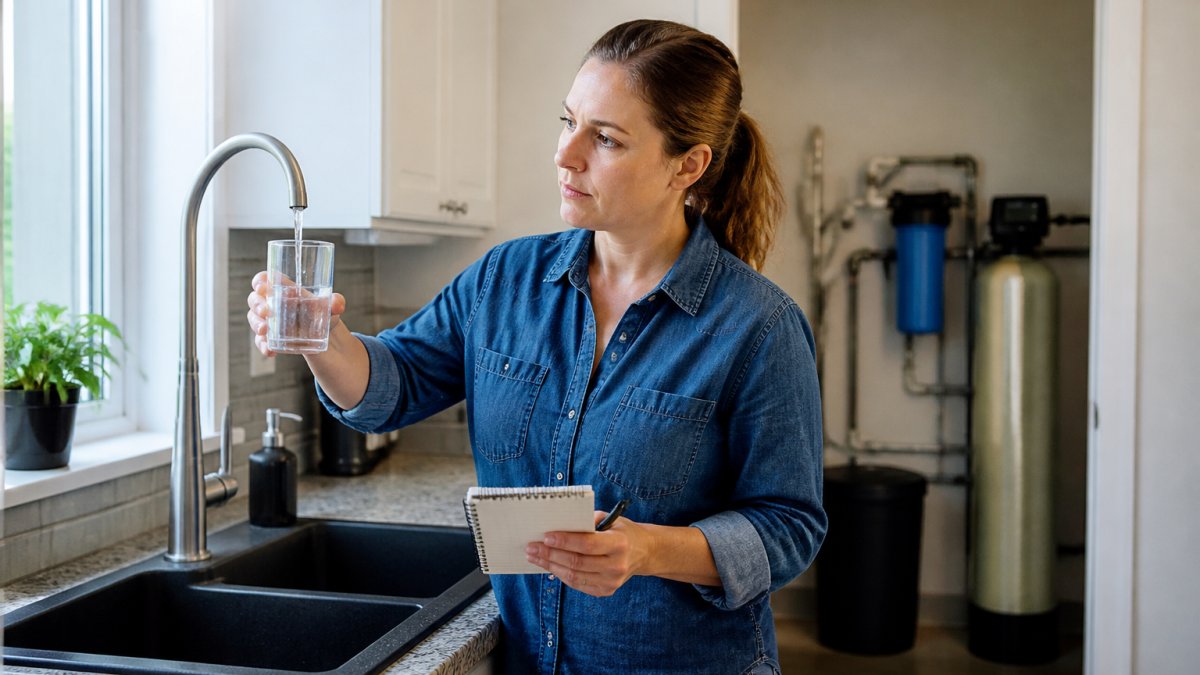
Check your hot water taps separately. If only hot water smells, your water heater is the source.
Identifying Water Heater Issues
Inspect your water heater for signs of bacterial growth. Look for sediment buildup at the bottom of the tank (visible if you have a clear section or drain valve).
Check the anode rod if your heater has one. A deteriorated anode rod can't protect the tank and may contribute to bacterial growth. If the rod looks heavily corroded or pitted, replacement often improves water quality.
Try this simple test: drain a bucket of hot water directly from your heater's drain valve (the lowest point on the tank). If this water smells strongly of rotten eggs but water from your taps doesn't, bacteria are concentrated in the heater itself.
How to Test Well Water for Hydrogen Sulfide
If you've ruled out your plumbing and heater, your well water needs testing. Testing tells you whether hydrogen sulfide is present and at what concentration.
DIY Screening vs. Professional Laboratory Testing
A quick screening test can confirm hydrogen sulfide is present. Fill a clear glass with cold water from your tap. Add a few drops of lead acetate test strips (available at hardware stores).
For actual concentration levels and to rule out other contaminants, professional laboratory testing is essential. A certified lab can measure hydrogen sulfide in parts per million (ppm) and test for bacteria, iron, sulfur compounds, and other issues that might be contributing.
We recommend professional testing if you have a well. It costs less than guessing wrong on treatment and gives you actionable data.
Understanding Test Results and Concentration Levels
Hydrogen sulfide becomes noticeable to most people at concentrations above 0.5 ppm. At 1 ppm or higher, the smell is strong and persistent. Test results tell you whether you're dealing with low, moderate, or high concentrations, and that determines which treatment will work.
Low concentrations (below 2 ppm) often respond to aeration or activated carbon alone. Higher concentrations usually need oxidation or a combination approach. Some water conditions require specialized treatment. That's why knowing your actual test results matters; it prevents wasting money on the wrong system.
Is Sulfur Water Safe to Drink
Hydrogen sulfide itself is not considered a health hazard at the levels typically found in well water. It's a nuisance contaminant; it makes water unpleasant but doesn't poison you at low to moderate concentrations.
Health Effects at Different Concentrations
At very high concentrations (well above 10 ppm), hydrogen sulfide can cause mild gastrointestinal upset in some people. At the levels most homeowners experience (under 5 ppm), the smell is the main problem, not a health risk.
However, hydrogen sulfide can mask the presence of other contaminants. If your water smells like rotten eggs, it's worth testing for bacteria, iron, and other dissolved minerals too. Sulfur-reducing bacteria themselves can indicate a broader water quality issue.
When to Escalate to a Professional
If you have a well and the smell is strong, or if it's accompanied by cloudiness, discoloration, or visible sediment, call a professional. These signs suggest contamination beyond simple hydrogen sulfide.
If your water heater disinfection doesn't eliminate the smell within a week, or if the smell returns quickly after treatment, the problem is likely in your supply water, not your heater.
At Pure Life H2O, we start with a free water test to identify exactly what's in your water. This takes the guesswork out of treatment selection and ensures you invest in a system that actually solves your specific problem.
How to Remove Sulfur Smell from Well Water
Once you know the source, treatment becomes straightforward. Different causes require different approaches.
Treatment by Cause: Bacteria vs. Hydrogen Sulfide Gas
If bacteria are growing in your water heater, disinfection is the first step. Flushing the tank with a chlorine solution kills bacteria and often eliminates the smell. Some homeowners use hydrogen peroxide or specialized water heater cleaning products. If disinfection doesn't work, anode rod replacement or tank replacement may be necessary.
If hydrogen sulfide gas is dissolved in your water supply, you need a system designed to remove it. Aeration bubbles air through the water to release dissolved gases. Oxidation uses chlorine or potassium permanganate to convert hydrogen sulfide into solid sulfur that filters can trap. Activated carbon absorbs the gas directly.
Aeration, Oxidation, and Activated Carbon Filtration
Aeration works by exposing water to air, which allows hydrogen sulfide gas to escape. A simple aeration system aerates water as it enters your home.
Oxidation uses a chemical (usually chlorine or potassium permanganate) to convert hydrogen sulfide into solid sulfur particles. These particles are then filtered out. Oxidation handles higher concentrations well and works in most water conditions.
Activated carbon filtration absorbs hydrogen sulfide directly. Carbon filters are simple and chemical-free, but they have a limited lifespan; once saturated, they stop working.
Many homeowners benefit from a combination system: aeration or oxidation as the primary treatment, followed by activated carbon for final odor removal.
Water Heater Maintenance and Disinfection
For bacteria-related odor, regular heater maintenance prevents recurrence. Drain and flush your heater annually to remove sediment where bacteria hide. Keep the temperature at 50°C (120°F) for normal use, but raise it to 60°C (140°F) periodically to kill bacteria.
If your heater is over 10 years old and smells persist after flushing, replacement may be more cost-effective than repeated treatments. Older tanks accumulate sediment and corrode, creating ideal conditions for bacterial growth.
Prevention and Long-Term Management
Once you've treated the problem, keep it from coming back. Prevention is simpler than cure.
Maintain your water heater: flush it annually, check the anode rod every few years, and keep the temperature at a safe level.
If you've installed a treatment system, follow the maintenance schedule. Replace filters on time, monitor system performance, and don't ignore signs that treatment isn't working anymore.
For well water, keep your well properly maintained.
A rotten egg smell in your water is fixable, but the right fix depends on what's causing it.
At Pure Life H2O, we've helped hundreds of homeowners across the region solve sulfur odor problems. Our Pentair-authorized systems are built for reliability and backed by over 26 years of local service experience. Get your free water test and find out what's in your water.
Frequently Asked Questions
How can I tell whether the rotten-egg smell is coming from the hot water or the cold water?
Run both your hot and cold taps separately into clean glasses and smell each one. If only the hot water smells like rotten eggs, the issue is typically in your water heater. If both smell, the problem is in your well water or main plumbing line. Test multiple faucets throughout your home to confirm whether the odor is localized to one area or present everywhere. This diagnostic step helps you determine whether you need water heater maintenance or whole-home treatment.
How do I test well water for hydrogen sulfide?
Start with a simple visual and odor check: fill a clear glass with water and note the smell intensity. For accurate results, use a professional laboratory test through your local health unit or a certified water testing service. They measure hydrogen sulfide concentration in parts per million (ppm). At-home test kits exist but are less reliable. Professional testing also identifies bacteria and other contaminants, giving you a complete picture of your water quality and helping you choose the right treatment.
Is it safe to drink water that smells like sulfur?
Low levels of hydrogen sulfide (below 0.1 ppm) are not a direct health hazard. If your well water smells strongly of rotten eggs, avoid drinking it until you identify and treat the source. Showering in sulfur water is generally safe, but drinking untreated water with strong odor warrants professional testing and treatment.
What's the best way to remove a rotten-egg smell from well water?
Treatment depends on the cause. For hydrogen sulfide gas, aeration or oxidation systems work well. For sulfur-reducing bacteria, chlorination or shock disinfection of your well is effective. Activated carbon filters can reduce mild odors. For water heater odors, flush and disinfect the tank or replace the anode rod. Many homeowners need a combination approach: well treatment plus whole-home filtration. Professional water testing identifies the exact cause, ensuring you invest in the right solution for your specific water conditions.
Rotten Egg Smell in Your Well Water? We Can Help!
Pure Life H2O provides professional well water treatment solutions throughout Toronto and the GTA. We help homeowners identify and treat hydrogen sulphide odours, iron, and other well water problems with customized filtration systems and professional installation.