 how-to
Does a Water Softener Remove Iron Stains?
Table of Contents
- What a Water Softener Can and Cannot Do for Iron
- Why Iron Stains Persist Even After Softening
- Understanding Iron Types in Well Water
- How Iron Buildup Damages Softener Resin
- Choosing an Iron Filter for Well Water Treatment
- Cleaning Iron Buildup from a Water Softener
- Determining the Right Water Treatment System Order
- Schedule Your Water Test and Treatment Plan
- Frequently Asked Questions
Last Updated: October 25, 2026
What a Water Softener Can and Cannot Do for Iron
A water softener can remove some iron from your water, but it's not designed to remove iron stains that have already formed on fixtures. Learn more about what a water softener can and cannot do for iron.
Water softeners work by exchanging hard minerals (calcium and magnesium) for sodium through a process called ion exchange.
According to guidance from Pentair water treatment documentation, a standard water softener performs best on ferrous iron and may reduce low to moderate levels.
Understanding this distinction changes everything about how you approach your water treatment plan.
Why Iron Stains Persist Even After Softening
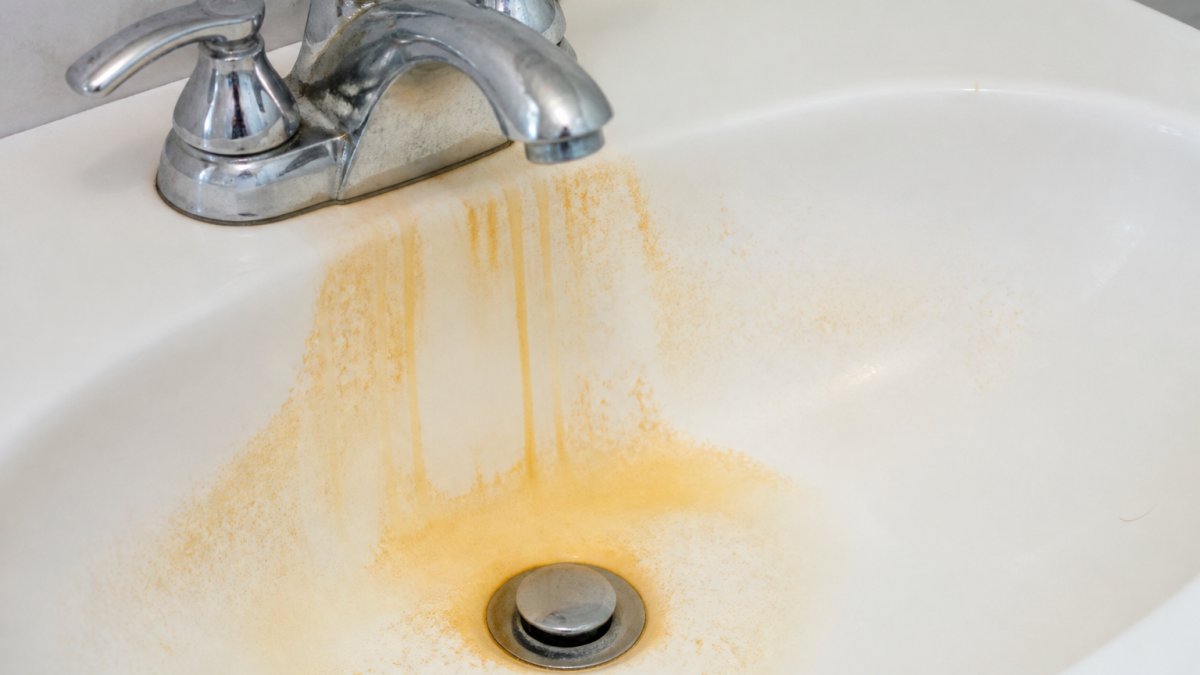
Iron stains stick around because they're physical deposits, not dissolved minerals. Once iron oxidizes and bonds to your fixtures, a water softener can't reverse that damage.
Here's what happens: ferrous iron (dissolved in water) is invisible and harmless in the water itself.
A water softener prevents new ferrous iron from entering your home's water supply. But the stains already there won't disappear. You need a separate cleaning process to remove them.
This is why testing your water matters.
The frustration is real. You install a softener, the staining continues, and you wonder if the system is broken. It's not. It's just working within its design limits.
Understanding Iron Types in Well Water
Not all iron is the same, and the type in your well water determines whether a softener can help at all. Most homeowners skip this step and buy equipment based on a guess.
Ferrous iron is dissolved and invisible. Water runs clear from the tap, then turns orange-brown after it sits or contacts air.
Ferric iron is already oxidized. You'll see a reddish or rusty tint in the water, sediment in the toilet tank, or particles that settle in a glass.
Iron bacteria is a separate problem. These organisms feed on iron and leave a slimy, rust-colored biofilm in toilet tanks, pipes, and fixtures. You may also notice a swampy or metallic odour.
How to Identify Your Iron Type
You can narrow it down before a professional test with two simple observations:
- The clear-glass test. Fill a glass with cold water and look at it immediately, then again after 15 to 30 minutes. Clear at first and discolored later points to ferrous iron. Discolored right away points to ferric iron.
- The toilet tank check. Lift the lid and look at the tank walls and water line. Rusty sediment points to ferric iron. A slick, stringy, or gelatinous film points to iron bacteria.
These observations are useful, but they are not a substitute for lab testing. A proper water test reports total iron concentration, and a good technician will also check for manganese, hardness, pH, and bacteria. pH matters more than most homeowners realize: acidic water accelerates corrosion and changes how iron behaves in your plumbing.
Once you know the iron type and concentration, the treatment decision becomes straightforward. Low ferrous iron may be manageable with a softener plus routine resin cleaning. Ferric iron or iron bacteria call for a dedicated iron filter, and often disinfection, ahead of the softener. Guessing skips this logic and usually costs more in the end.
Iron behaves differently depending on its form, and each type requires a different treatment approach.
| Iron Type | Appearance | What a Softener Can Do |
|---|---|---|
| Ferrous iron | Clear from tap, turns orange-brown after sitting | Partially manage at low concentrations |
| Ferric iron | Reddish tint visible immediately, sediment in toilet | Not effective; clogs resin quickly |
| Iron bacteria | Slimy, rust-colored biofilm, swampy odour | Will not address; requires oxidation and disinfection first |
How Iron Buildup Damages Softener Resin
Iron fouling is one of the biggest reasons water softeners fail prematurely. Understanding this damage helps you see why iron treatment order matters.
Inside a water softener, tiny resin beads do the work. They grab calcium and magnesium ions and release sodium in exchange.
Once fouling starts, the resin loses effectiveness. It can no longer soften water as well as it should.
Iron also builds up in the softener's control valve and tank. Sediment accumulates. Corrosion can occur. The system ages faster.
This is why water treatment professionals recommend removing iron before it reaches the softener.
Many homeowners don't realize this connection. They install a softener expecting it to handle everything.
Choosing an Iron Filter for Well Water Treatment
If your iron levels are moderate to high, or if you have ferric iron, an iron filter is the right choice.
An iron filter is specifically designed to remove iron stains by working through oxidation and filtration.
The advantage: iron filters handle higher iron loads than softeners. They're designed specifically for iron removal. They protect your softener from fouling.
Discover specific iron and sulphur filter solutions designed for Ontario well water. You can also learn comprehensive well water iron removal strategies beyond water softening alone.
The disadvantage: iron filters require regular backwashing (usually weekly or monthly, depending on iron load). They're an additional system.
This is where system order becomes critical. Iron filter first, then softener. Never the other way around.
Cleaning Iron Buildup from a Water Softener
If iron has already fouled your softener, cleaning can restore performance before you replace the resin. But cleaning only works if you diagnose why the fouling happened in the first place.
Diagnose Before You Clean
Work through this sequence before assuming the resin is ruined:
- Check the salt level and look for a salt bridge. A hard crust can form above the water line while the tank looks full. Break it up and confirm the brine is actually being drawn during regeneration.
- Confirm regeneration is running. Watch a full cycle or check the control valve settings against your water hardness and iron load. An undersized or misprogrammed unit regenerates too rarely and fouls faster.
- Check for bypass. If a bypass valve is partly open, hard, iron-bearing water is reaching your taps untreated. That alone can explain ongoing stains.
- Inspect the resin. Pull the brine well or sight glass if accessible. Orange-brown coating on the beads confirms iron fouling. A gelatinous film suggests iron bacteria, which needs disinfection, not just cleaning.
- Re-test the raw water. If iron levels have climbed since the system was installed, the softener may simply be undersized for current conditions.
Resin Cleaning Options
Once you've confirmed fouling, you have two practical routes:
- Resin cleaner added during regeneration. Iron-specific resin cleaners are dosed into the brine well and drawn through the bed during the regeneration cycle. They dissolve the iron coating and help the beads exchange ions again. This is the routine maintenance step most softener owners skip.
- Professional resin cleaning. A technician introduces a stronger cleaner, agitates the bed, and flushes the loosened iron to drain. This restores more performance than a homeowner dose but is not a permanent fix if iron keeps entering the system.
Maintenance Cadence
There is no single schedule that fits every home, because iron load drives how often cleaning is needed. A common pattern is resin cleaning every few months on low-iron water and more frequently where iron is higher. If you find yourself cleaning constantly, that's the signal to stop treating the softener as an iron filter and install dedicated iron removal upstream.
When Cleaning Stops Being Worth It
Cleaning buys time, but it does not solve the underlying problem. If iron keeps entering the softener, the resin will foul again, regeneration will use more salt and water, and the control valve and tank will age faster. At some point the cost of repeated cleaning and shortened equipment life outweighs the cost of proper iron treatment. That crossover point is different for every home, which is why testing and a professional assessment matter more than a fixed rule.
The durable fix is prevention: remove iron before it reaches the softener so the resin stays clean and the system lasts its expected life.
Determining the Right Water Treatment System Order
System order determines whether your treatment works or fails. Get it wrong, and you're wasting money and effort.
Correct order for iron and hardness problems:
- Iron filter first. Remove iron, manganese, and other oxidizable contaminants.
- Water softener second. Remove calcium and magnesium (hardness).
- Carbon filter (optional). Remove chlorine, taste, and odour.
- Reverse osmosis or other polishing (optional). Further improve drinking water quality.
This order protects your softener and ensures each system does its job effectively.
Why this matters: If you install a softener first, iron fouls the resin immediately. You'll spend money on a system that's being damaged by the very water it's treating. An iron filter upstream prevents this entirely.
Many homeowners install systems in the wrong order because they don't test first. Testing tells you what you have. Then you can design a system that actually works.
Schedule Your Water Test and Treatment Plan
The only way to know what you need is to test your water. Testing reveals iron type, concentration, and whether you have bacteria or other contaminants.
Get your free water test to identify iron levels and determine the right treatment system for your home.
A professional water test measures:
- Iron concentration (ferrous and ferric)
- Water hardness
- pH level
- Bacteria presence
- Other contaminants
Once you know what's in your water, you can choose systems that actually solve your problem. You avoid guessing. You avoid installing the wrong equipment.
Pure Life H2O has tested thousands of wells across the region. We know which systems work for each situation and which don't.
Frequently Asked Questions
How much iron can a water softener actually remove?
A standard water softener can reduce low to moderate amounts of ferrous (dissolved) iron, typically up to 2-5 mg/L (parts per million), though some systems may handle slightly more under ideal conditions. However, softeners are not designed as primary iron removal tools. If your water contains ferric (oxidized) iron or iron bacteria, a softener will not remove it effectively. Water testing tells you exactly how much iron is present, so you know whether a softener alone will work or if you need a dedicated iron filter.
Why do I still get iron stains if I have a water softener?
A water softener removes dissolved iron from new water entering your system, but it cannot erase stains already deposited on fixtures, pipes, or laundry. Those stains are oxidized iron that has already reacted with oxygen and bonded to surfaces. Additionally, if iron levels are high or the iron is ferric rather than ferrous, a softener may not remove enough iron to prevent new staining. Testing your water and knowing the iron type and concentration is essential to solving the problem.
What is the correct order for a water treatment system when you have iron in well water?
The typical sequence is: sediment filter first (to remove particles), then an iron filter or oxidation system (to handle iron), followed by a water softener (to address hardness), and finally a carbon filter (for taste and odour). If iron bacteria is present, UV disinfection may be needed. The exact order depends on your water test results and the specific contaminants present. Professional water testing and a customized treatment plan ensure you install systems in the right sequence for maximum effectiveness.
How do you clean iron buildup from a water softener?
Iron buildup on softener resin reduces the system's ability to soften water and can shorten its lifespan. Many water treatment professionals use specialized resin cleaners or rust removers designed to dissolve iron deposits without damaging the resin. Some systems can be cleaned in place, while others may require professional service. Regular maintenance and water testing help catch iron problems early. If your softener is fouled with iron, a water treatment specialist can assess whether cleaning or resin replacement is the best solution.
Iron stains on your fixtures are frustrating, but they're solvable. The key is understanding that a water softener alone won't fix them. It removes some dissolved iron going forward, but it can't clean existing stains or handle high iron loads. An iron filter upstream, chosen based on your water test results, protects your softener and solves the problem properly. Get your water tested first. Then build your system the right way.